Niger is undergoing a period of profound transition. From shifting political climates to emerging economic opportunities and regional security challenges, the nation stands at a critical crossroads. As the landscape evolves, NigerPost has become a crucial source of reliable reporting, offering clarity on what’s shaping the country’s future.
This article explores what’s driving change across Niger, drawing from the latest analysis and on-the-ground insights reported by NigerPost.
1. Political Developments Reshaping National Priorities
Political shifts remain one of the most significant drivers of change throughout Niger. Recent leadership transitions, governance reforms, and regional alliances have direct impacts on:
- Security strategies
- Foreign relations
- Infrastructure planning
- Economic partnerships
NigerPost highlights how the government is redefining priorities to create greater stability while responding to public expectations. These changes influence every sector — from education to energy.
2. Economic Pressures and the Push for Structural Reform
Niger’s economy continues to face both obstacles and opportunities. Key factors reshaping the economic landscape include:
- Inflation and food price pressures
- Expanding agricultural initiatives
- Investment in mining and natural resources
- Growing interest in renewable energy
NigerPost reports that while challenges persist, ongoing reforms aim to strengthen local industries, widen job opportunities, and create more resilient economic foundations for the future.
3. Security Dynamics Impacting Daily Life
Security remains a defining issue for Niger. Regional conflicts, transnational threats, and cross-border movements influence both policy and the day-to-day experiences of citizens.
NigerPost’s coverage outlines:
- Evolving military strategies
- Humanitarian concerns
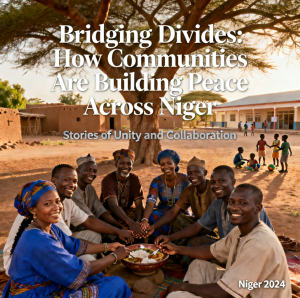
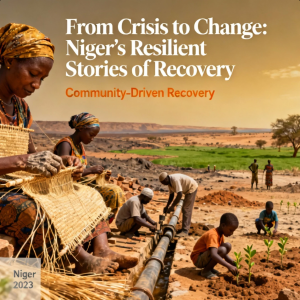
- Community resilience efforts
- Cooperation with neighboring countries
These insights show how security developments shape everything from mobility to economic stability.
4. Social Change Driven by Youth, Culture, and Education
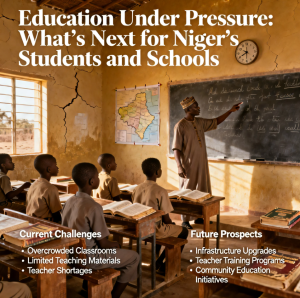
Niger is a young nation with a rapidly growing population. As access to education expands and digital tools become more widespread, social attitudes and community structures are shifting.
Key drivers include:
- Rising youth engagement in civic issues
- Cultural preservation mixed with modern influences
- Greater educational access and literacy initiatives
- Women’s increasing roles in leadership and entrepreneurship
NigerPost spotlights how these social forces fuel transformation at both local and national levels.
5. Digital Transformation and Technology Adoption
Technology is becoming a central catalyst for progress across Niger. Mobile connectivity, fintech solutions, and digital services are enabling:
- Easier access to information
- Growth of small businesses
- Improved communication across rural areas
- Innovation in agriculture and trade
NigerPost’s reporting emphasizes how digital growth brings new economic opportunities and reshapes how citizens engage with institutions.
6. Environmental Pressures and Sustainability Efforts
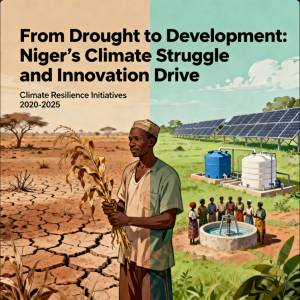
Niger faces some of the most severe climate challenges in the region, including droughts, desertification, and water scarcity. These environmental realities drive:
- Agricultural adaptation strategies
- Reforestation and land recovery projects
- Investments in sustainable energy
- Community-led conservation initiatives
NigerPost highlights how environmental change intersects with economic planning, public health, and migration patterns.
Conclusion
Understanding what’s driving change across Niger requires a holistic view of politics, economy, security, society, and the environment — all of which are rapidly evolving. With reliable reporting and informed analysis, NigerPost provides essential clarity in a time of transformation. As Niger navigates these shifts, staying informed becomes key to understanding where the nation is heading next.