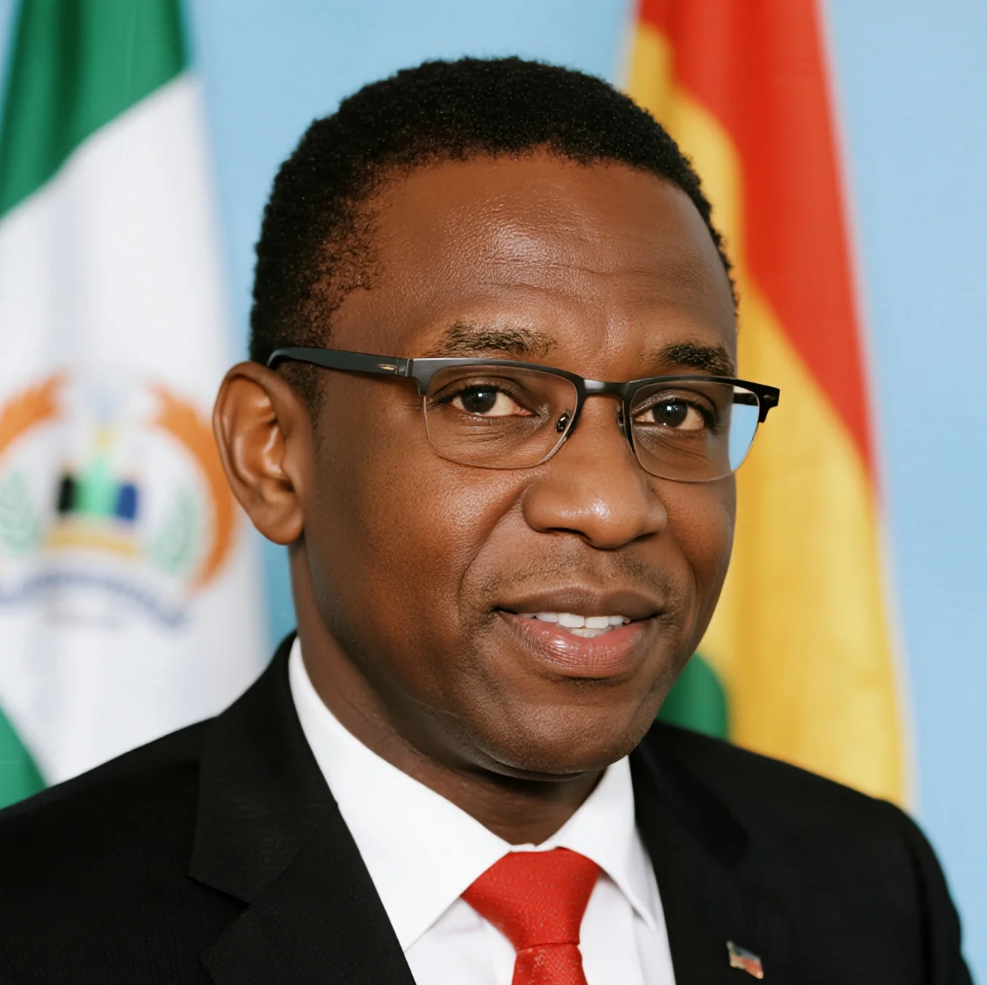
Niger is undergoing a period of profound political transformation. From changes in leadership and governance structures to evolving regional alliances, the country stands at a critical crossroads. Inside NigerPost, we examine the key political shifts reshaping the nation and what they mean for citizens, institutions, and Niger’s future.
This is not just a moment of transition—it is a redefinition of national direction.
A New Political Reality Takes Shape
Recent political developments have altered Niger’s balance of power, redefining how authority is exercised and perceived. Long-standing political arrangements are being reassessed, while new actors and institutions are gaining prominence.
These shifts reflect:
- Reconfigured leadership structures
- Increased centralization of decision-making
- A changing relationship between civilian governance and state authority
For many Nigeriens, these changes signal both uncertainty and opportunity.
Governance, Authority, and Public Trust
One of the most significant challenges emerging from Niger’s political shift is the question of public trust.
Key issues include:
- The role of transitional governance
- Transparency and accountability in decision-making
- Public participation in political processes
- Institutional legitimacy
Political stability depends not only on authority, but on the confidence of the people in those who govern.
According to the African Center for Strategic Studies, public trust and inclusive governance are essential for long-term stability in transitional political environments:
https://africacenter.org/spotlight/governance-transitions-africa/
Regional and International Repositioning
Niger’s political evolution is also reshaping its regional and global relationships.
Recent developments have influenced:
- Diplomatic alignments within West Africa
- Engagement with regional organizations
- Security partnerships and foreign cooperation
- Economic and development priorities
As Niger navigates these changes, its geopolitical posture continues to evolve in response to both internal dynamics and external pressures.
Security, Stability, and the State
Political shifts inevitably affect national security strategies.
Areas under scrutiny include:
- Civil-military relations
- Counterterrorism efforts
- Border security and regional coordination
- The balance between security measures and civil liberties
The direction taken in these areas will have lasting implications for national cohesion and everyday life.
The Role of Civil Society and Media
In times of political change, civil society and independent media play a vital role.
They contribute by:
- Informing the public
- Encouraging dialogue and accountability
- Amplifying diverse voices
- Preserving democratic norms
As Reporters Without Borders emphasizes, a free and responsible press is crucial during political transitions:
https://rsf.org/en/press-freedom-political-crises
What These Political Shifts Mean for Citizens
For ordinary Nigeriens, political change is measured by its real-world impact.
Citizens are watching closely for:
- Economic stability and job security
- Access to basic services
- Personal safety and freedom
- Clear pathways toward long-term governance
The success of Niger’s political transition will ultimately be judged by whether it improves daily life and national unity.
Niger at a Crossroads
Niger’s political landscape is being reshaped in real time. The decisions made now—by leaders, institutions, and citizens alike—will define the country’s trajectory for years to come.
Inside NigerPost, we remain committed to providing clear, contextual, and responsible analysis as these historic shifts unfold.