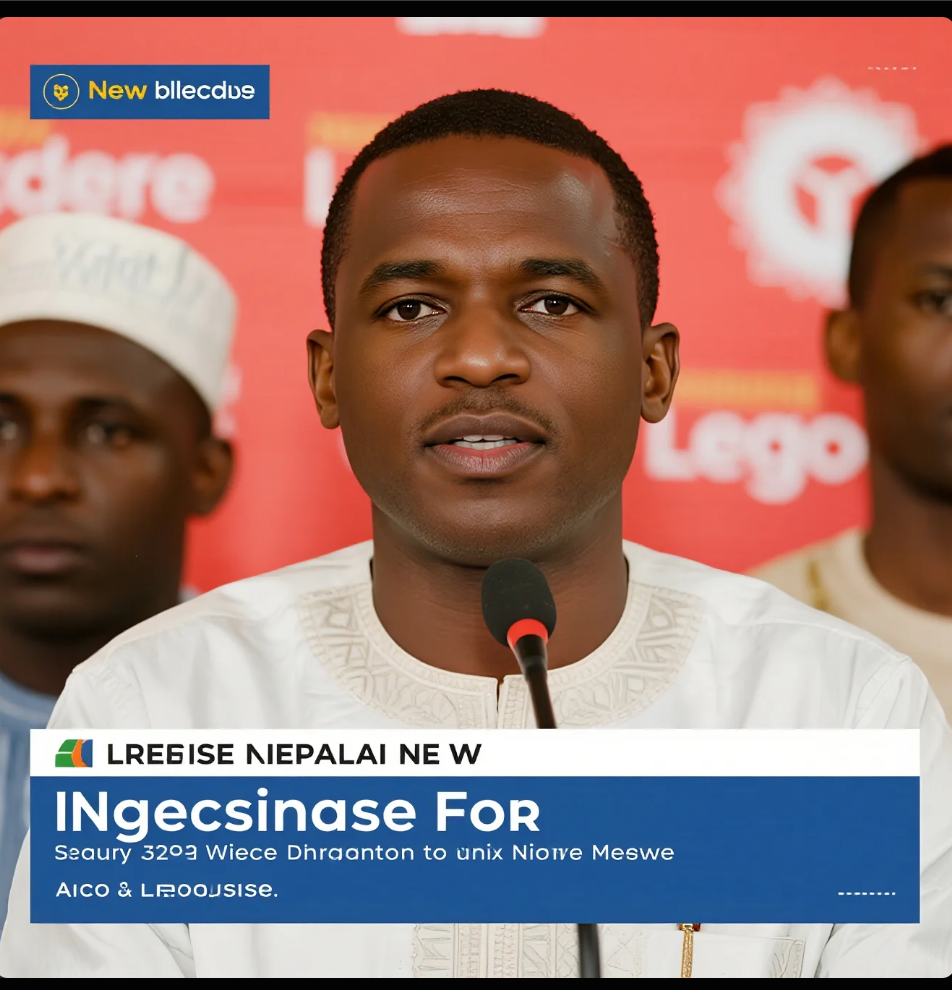
Understanding Niger’s latest political developments requires looking beyond headlines. Since the military takeover in 2023, the West African nation has undergone profound political, diplomatic, and security shifts that continue to shape its future. While global attention often spikes during coups or sanctions, the deeper story lies in how power is being consolidated, how alliances are changing, and how ordinary Nigeriens are affected.
This article unpacks what is happening in Niger, why it matters, and what could come next.
The Current Political Landscape in Niger
Niger is currently governed by a military-led transitional authority, following the removal of President Mohamed Bazoum in July 2023. The junta, led by General Abdourahamane Tchiani, suspended the constitution and dissolved key democratic institutions.
Key Characteristics of the Current System
- Power centralized under military leadership
- Political parties and public dissent tightly restricted
- Unclear timeline for a return to civilian rule
Authorities argue that military control is necessary to restore security and national sovereignty, while critics warn of democratic backsliding and prolonged authoritarian rule.
👉 Background context:
BBC News – Niger Coup Explained
https://www.bbc.com/news/world-africa
Security Concerns Driving Political Decisions
Security remains the dominant force behind Niger’s latest political developments. The country sits at the heart of the Sahel, a region facing persistent attacks from armed extremist groups.
Ongoing Security Challenges
- Militant violence in border regions
- Strain on military and public resources
- Displacement of civilian populations
The junta has framed its legitimacy around its promise to restore order, making security policy inseparable from political authority.
👉 Regional security overview:
International Crisis Group – Sahel Analysis
https://www.crisisgroup.org/africa/sahel
Shifting Regional and International Alliances
One of the most significant developments has been Niger’s realignment away from traditional Western partners.
Key Diplomatic Shifts
- Breakdown of relations with France
- Withdrawal or reduction of Western military presence
- Closer alignment with Mali and Burkina Faso
- Formation of alternative regional cooperation frameworks
These moves reflect a broader Sahelian trend toward rejecting external influence and redefining sovereignty, though critics question the long-term economic and security costs.
👉 Diplomatic perspective:
Council on Foreign Relations – Niger and the Sahel
https://www.cfr.org/africa
Economic Pressure and Public Sentiment
Political instability has intensified Niger’s economic challenges.
Economic Realities
- Rising food and fuel prices
- Reduced foreign aid and investment
- High levels of poverty and unemployment
While some citizens support the junta’s nationalist rhetoric, others express concern about living costs, shrinking opportunities, and isolation from global markets.
👉 Economic data source:
World Bank – Niger Overview
https://www.worldbank.org/en/country/niger
Civil Liberties and Media Environment
Another key aspect of Niger’s latest political developments is the tightening of civic space.
- Restrictions on public demonstrations
- Increased scrutiny of journalists and NGOs
- Suspension of some civil society activities
Supporters argue these measures prevent instability, while rights groups warn they weaken transparency and accountability.
👉 Human rights reporting:
Amnesty International – Niger
https://www.amnesty.org/en/location/africa/west-and-central-africa/niger/
Why Niger’s Situation Matters Globally
Niger’s political trajectory has implications beyond its borders.
- It affects security across West Africa
- It reshapes international counterterrorism strategies
- It influences global debates on democracy vs. stability
As multiple Sahel states follow similar paths, Niger has become a case study in how fragile democracies respond to insecurity and foreign pressure.
What Comes Next for Niger?
The future remains uncertain. Key questions include:
- Will the military commit to a credible transition timeline?
- Can security improve without international cooperation?
- How long can the economy withstand isolation and sanctions?
For now, Niger’s leadership appears focused on consolidation rather than compromise.
Conclusion
Niger’s latest political developments are the result of intertwined security fears, regional shifts, and deep public frustration. While the military government promises stability and sovereignty, the long-term consequences—for democracy, economic growth, and regional peace—remain unresolved.
Understanding the full picture requires looking past the breaking news and examining the forces quietly reshaping the nation.