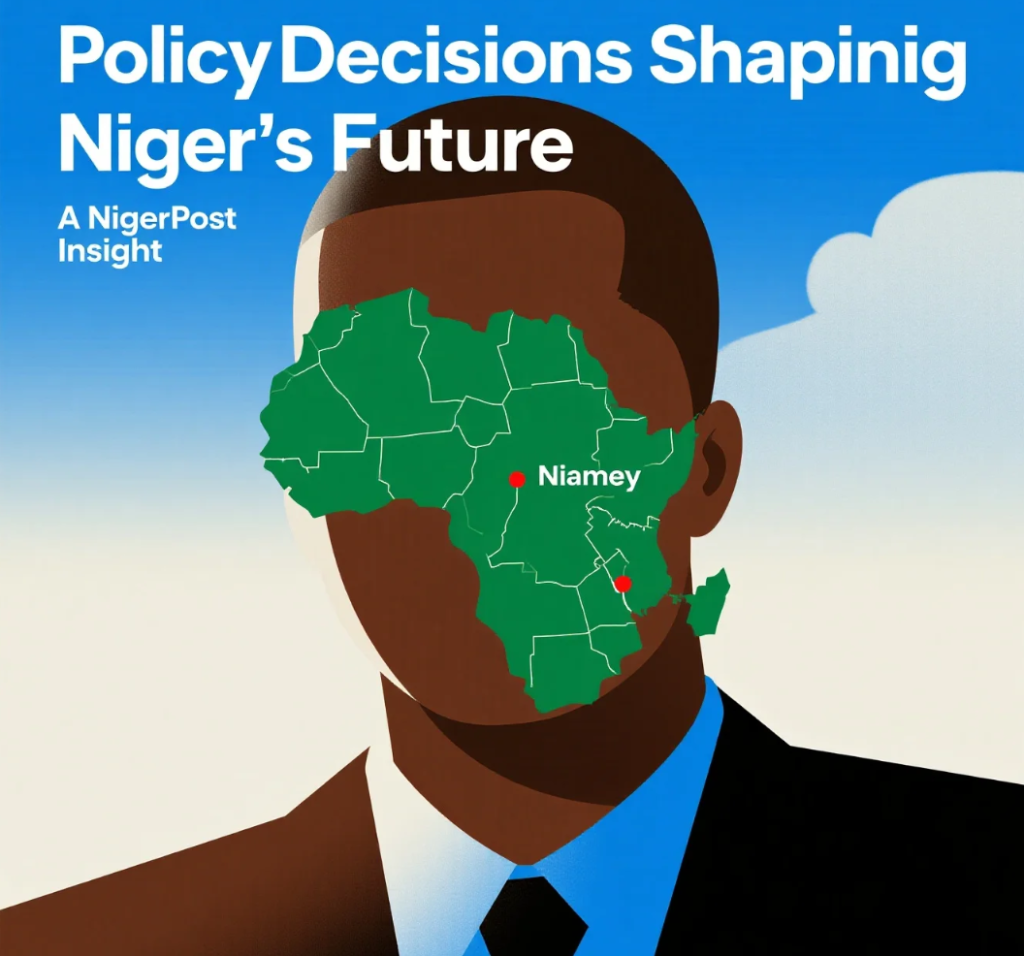
Niger stands at a critical crossroads. Faced with security challenges, economic pressure, and shifting regional alliances, policy decisions made today will shape the country’s future for decades. From governance reforms to development priorities, these choices influence not only state stability but also public confidence and national direction.
This NigerPost Insight examines the most significant policy decisions in Niger and their long-term implications.
Governance and Institutional Reform
Strong institutions are the foundation of sustainable development. In Niger, policy efforts aimed at governance reform focus on improving state capacity, transparency, and accountability.
Key governance priorities include:
- Strengthening public administration
- Reducing corruption and improving oversight
- Clarifying the balance between civilian authority and security institutions
How effectively these reforms are implemented will largely determine political stability and international credibility.
Security Policy and National Stability
Security remains one of Niger’s most pressing concerns. Government policy must balance military operations with community-based approaches to prevent radicalization and displacement.
Current security-related policy directions emphasize:
- Border control and regional cooperation
- Counterterrorism and intelligence coordination
- Protection of civilians and local communities
Security policies directly affect public trust, particularly in regions most impacted by conflict.
Economic Policy and Development Choices
Economic policy decisions in Niger are shaped by limited resources and a rapidly growing population. Agriculture, energy, and infrastructure development remain central pillars.
Strategic economic policy areas include:
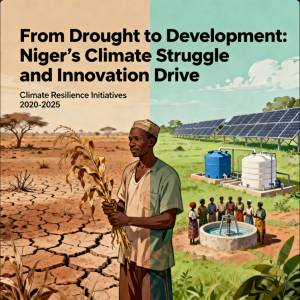
- Investment in agriculture and food security
- Responsible management of natural resources
- Job creation and youth employment
Long-term growth depends on policies that translate development plans into tangible improvements in daily life.
Social Policy and Public Welfare
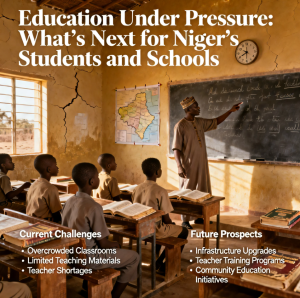
Education, healthcare, and social protection policies influence Niger’s human capital and social cohesion. Policymakers face the challenge of expanding access while maintaining quality under financial constraints.
Priority social policy goals include:
- Expanding access to education, particularly for girls
- Improving basic healthcare delivery
- Supporting vulnerable populations
These decisions shape public perception of government effectiveness more than any other policy area.
Public Opinion and Policy Legitimacy
Policy success is not measured solely by intent but by public acceptance. In Niger, citizens closely evaluate whether policies reflect their needs and realities.
Public opinion is shaped by:
- Economic conditions and service delivery
- Security outcomes
- Government communication and transparency
Policies perceived as inclusive and responsive are more likely to gain long-term legitimacy.
Regional and International Policy Alignment
Niger’s future is also influenced by how domestic policies align with regional and global partnerships. Decisions regarding diplomacy, aid, and security cooperation affect sovereignty and strategic autonomy.
Balancing external support with national priorities remains a key policy challenge.
Conclusion: Decisions That Define the Future
The policy decisions shaping Niger’s future will determine whether the country can achieve stability, development, and social cohesion. Success depends not only on policy design but on execution, inclusivity, and trust between the state and its citizens.
As Niger navigates an uncertain environment, informed policy choices remain its most powerful tool.