Niger’s economy is undergoing a dynamic transformation, shaped by new drivers like oil production, agricultural performance, infrastructure developments, and broader structural shifts. In recent reporting — including insights similar to those featured on NigerPost — key economic trends and data reveal both opportunity and risk for one of West Africa’s most resource-rich yet poverty-stricken nations.
This article breaks down Niger’s economic pulse with up-to-date trends and statistics you need to know.
Rapid GDP Growth and Shifting Drivers
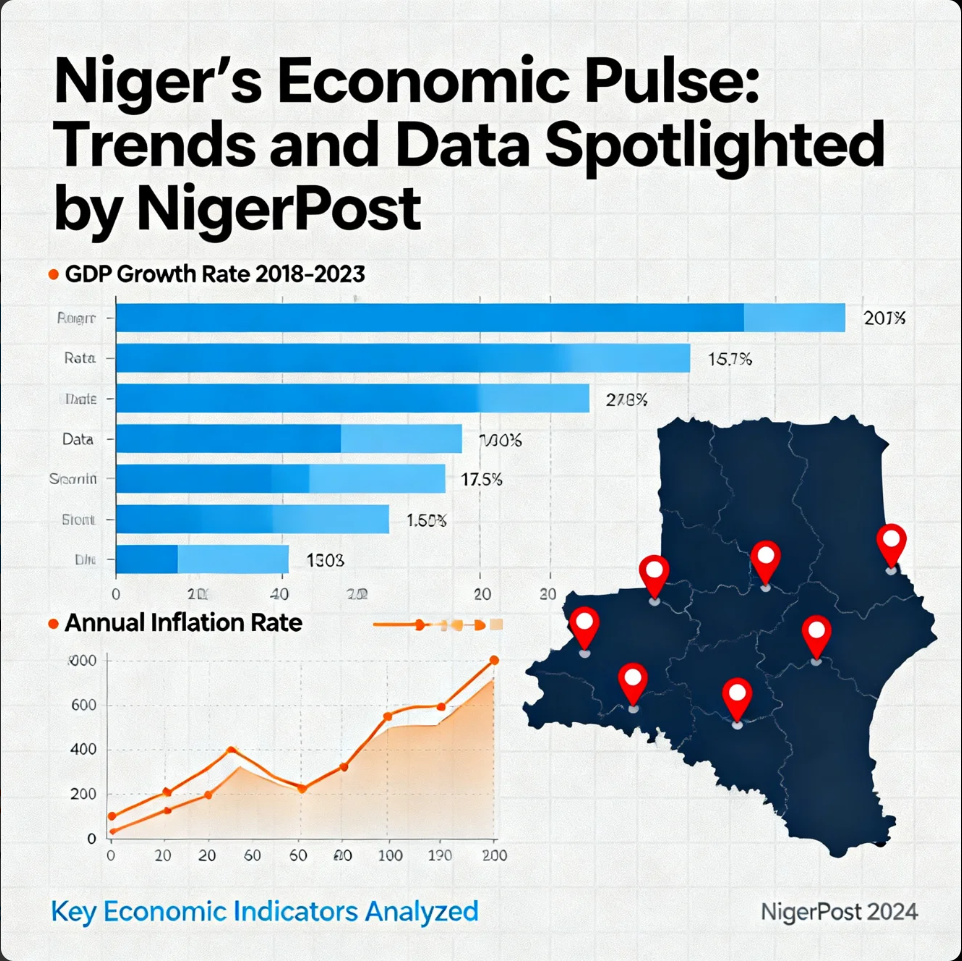
In 2024, Niger’s real GDP expanded by an impressive 8.4%, up from just 2% in 2023 — a jump largely propelled by the start of large-scale oil exports and a strong agricultural season aided by favorable weather. World Bank
- Oil exports emerged as a major engine of growth, introducing new revenue streams to the economy. World Bank
- Agriculture, still the backbone of Niger’s rural economy, contributed significantly due to expanded rain-fed production. World Bank
- Forecasts suggest growth will remain above 6% in 2025, though slightly moderated by high 2024 base effects. World Bank
📈 This level of growth signals resilience and potential — but also underlines the importance of policy in managing an economy reliant on volatile sectors.
🔗 Outbound link: World Bank Niger Economic Update
https://www.worldbank.org/en/country/niger/publication/niger-economic-update-2024
Agriculture: Still a Pillar, Still Vulnerable
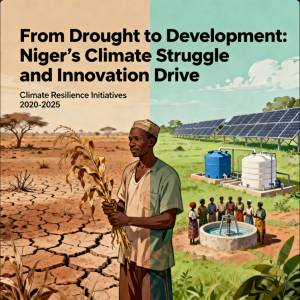
Agriculture accounts for a large share of Niger’s GDP and employment — a pattern echoed in broader regional economic profiles. Geo Factbook
- About 40% of GDP stems from agricultural activity, and around 80% of the population works in the sector. Geo Factbook
- Growth in rain-fed production drove part of the 2024 rebound, but structural vulnerabilities tied to climate risk persist. World Bank
Improving irrigation infrastructure and adopting climate-smart farming techniques are seen as essential for stabilizing this foundational sector over the long term.
🔗 Outbound link: FAO Insights on Climate-Smart Agriculture
https://www.fao.org/climate-smart-agriculture
Inflation, Poverty, and Social Challenges
Despite economic expansion, macroeconomic challenges remain:
- Inflation has been elevated, driven partly by food price increases. World Bank
- Poverty levels, while slightly reduced, still affect a large portion of the population. World Bank
- Food insecurity continues to be a pressing concern, especially during lean agricultural seasons. Devdiscourse
Effective inflation management and targeted social safety nets are crucial as Niger navigates these headwinds.
🔗 Outbound link: IMF’s Overview of Global Inflation Trends
https://www.imf.org/external/datamapper/INFLATION
Infrastructure and Future Growth Projects
According to recent NigerPost reporting, several infrastructure initiatives have been shaping Niger’s economic landscape:
Transport and Trade Connectivity
- Upgrades to national roads and key corridors — such as the Niamey–Dosso–Gaya route — are expected to stimulate trade and reduce transport bottlenecks. nigerpost.com
Digital Expansion
- Investments in 4G networks, fiber broadband, and digital literacy efforts are expanding access and economic opportunities nationwide. nigerpost.com
Regional Integration Projects
- Strategic rail and road links — like the Kano–Maradi railway project — aim to boost commerce by connecting Niger with regional markets. nigerpost.com
These public investments are critical for unlocking broader private sector growth and diversification beyond oil and agriculture.
🔗 Outbound link: African Development Bank – Infrastructure Financing
https://www.afdb.org/en/topics-and-sectors/sectors/infrastructure
Economic Outlook and Risks
While headline growth figures are promising, several structural considerations remain central to Niger’s economic trajectory:
- Heavy reliance on oil and rain-fed agriculture leaves the economy sensitive to global price swings and climate shocks. World Bank
- Public finances reflect high debt sustainability risks, with fiscal pressures from reduced tax revenues and increased government spending. World Bank
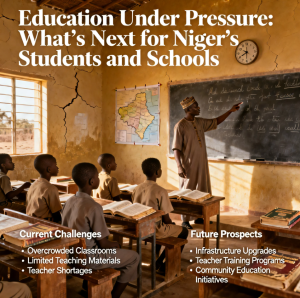
- Continued investment in education, infrastructure, and human capital is necessary to translate growth into long-term prosperity. World Bank
Balancing short-term growth with long-term structural reforms will determine whether Niger’s economic pulse strengthens sustainably.
Conclusion
In the latest economic landscape outlined by NigerPost and other authoritative sources, Niger’s economic pulse reveals progress amid challenges. Robust GDP growth, expanding oil exports, agricultural resilience, and major infrastructure investments paint a hopeful picture — but inflation, climate vulnerability, and structural constraints remind policymakers of the work ahead.
Niger’s journey toward inclusive and resilient development depends on strategic governance, diversified investment, and strong social foundations.