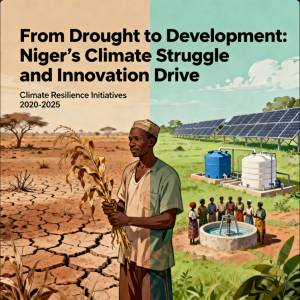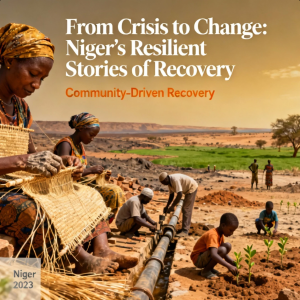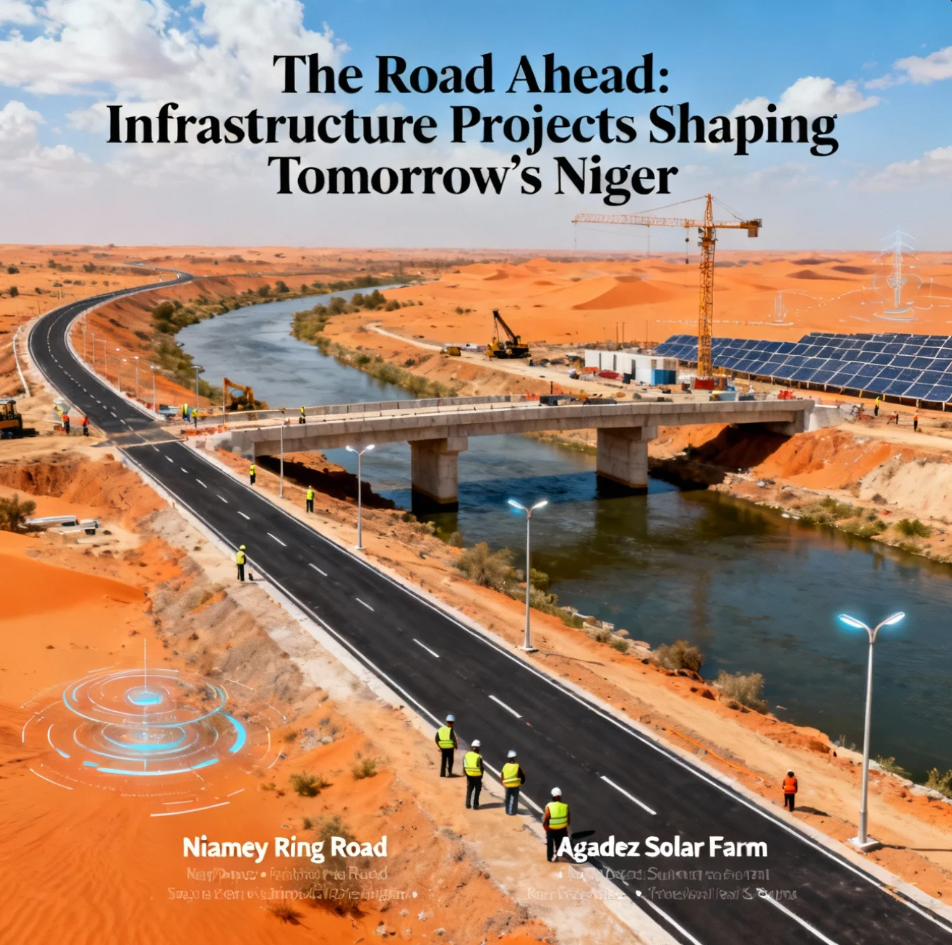
Infrastructure development is playing a decisive role in shaping Niger’s future. As one of West Africa’s fastest-growing populations, the country faces rising demand for transport, energy, water, and digital connectivity. In response, major Niger infrastructure projects are redefining mobility, boosting economic resilience, and improving quality of life.
These investments are not just about concrete and steel—they are about long-term national transformation.
🛣️ 1. Transport Networks Driving Economic Integration
Transport infrastructure remains a cornerstone of Niger’s development strategy. Improved roads and corridors are essential for trade, food security, and regional integration.
Key initiatives include:
- Upgrading national highways linking Niger to Nigeria, Benin, and Burkina Faso
- Expanding rural road networks to support agriculture and market access
- Modernizing urban transport in Niamey
Better transport reduces logistics costs, strengthens cross-border commerce, and connects remote communities to essential services.
🔗 Outbound link: https://www.worldbank.org/en/country/niger
⚡ 2. Energy Projects Powering Growth
Reliable energy is critical to industrialization and social development. Niger has made energy access a national priority, focusing on both conventional and renewable sources.
Major energy-related infrastructure projects include:
- Expansion of the Kandadji Dam for hydropower and irrigation
- Large-scale solar power plants in high-irradiation regions
- Rural electrification programs using off-grid solar systems
These projects aim to reduce energy shortages while supporting climate-resilient growth.
🔗 Outbound link: https://www.afdb.org/en/countries/west-africa/niger
💧 3. Water and Irrigation Infrastructure for Food Security
With agriculture employing a large share of Niger’s population, water infrastructure is vital for economic stability.
Key developments include:
- Irrigation systems along the Niger River basin
- Urban drinking water expansion projects
- Flood control and water storage infrastructure
These investments help mitigate climate risks while improving food production and public health.
📡 4. Digital Infrastructure and Connectivity
Digital infrastructure is emerging as a new pillar of development. Expanding connectivity supports education, entrepreneurship, and public service delivery.
Current priorities in Niger include:
- Fiber-optic backbone expansion
- Improved mobile network coverage
- Digital platforms for government services
As digital access grows, it opens new opportunities for youth employment and regional integration.
🔗 Outbound link: https://www.itu.int/en/ITU-D/Statistics/
🏗️ 5. Urban Infrastructure and Housing Development
Rapid urbanization is reshaping Niger’s cities. Infrastructure projects now focus on making urban growth more sustainable.
Key urban initiatives include:
- Affordable housing programs
- Sanitation and waste management systems
- Public infrastructure such as schools and healthcare facilities
These projects aim to balance population growth with livable urban environments.
🌍 6. Challenges and the Path Forward
While progress is visible, Niger’s infrastructure ambitions face challenges:
- Financing constraints
- Security concerns
- Climate vulnerability
To address these, partnerships with international institutions, regional bodies, and private investors remain essential. Long-term planning and transparent governance will determine the success of future Niger infrastructure projects.
🔮 Final Thoughts: Building the Foundations of Tomorrow
The road ahead for Niger is defined by strategic infrastructure investment. From energy and transport to water and digital systems, today’s projects are laying the groundwork for tomorrow’s economy.
By focusing on inclusive, resilient, and sustainable development, Niger is not just building infrastructure—it is building opportunity.