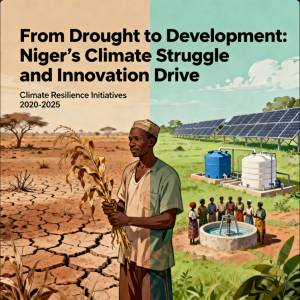
Niger has faced repeated challenges—climate shocks, food insecurity, economic hardship, and regional instability. Yet beyond the headlines lies another reality: one defined by determination, innovation, and hope. Niger’s resilient stories of recovery reveal how communities, families, and local leaders are transforming crisis into opportunity.
These stories are not about quick fixes, but about steady progress driven by resilience and collective action.
Understanding the Crises Niger Has Faced
Niger’s path has been shaped by multiple overlapping challenges, including:
- 🌵 Severe droughts and desertification
- 🌾 Food insecurity affecting rural communities
- 📉 Economic vulnerability and limited infrastructure
- 👥 Displacement and social strain
While these pressures are significant, they have also sparked adaptive responses rooted in local knowledge and cooperation.
Community-Led Recovery at the Heart of Change
🤝 Grassroots Solutions
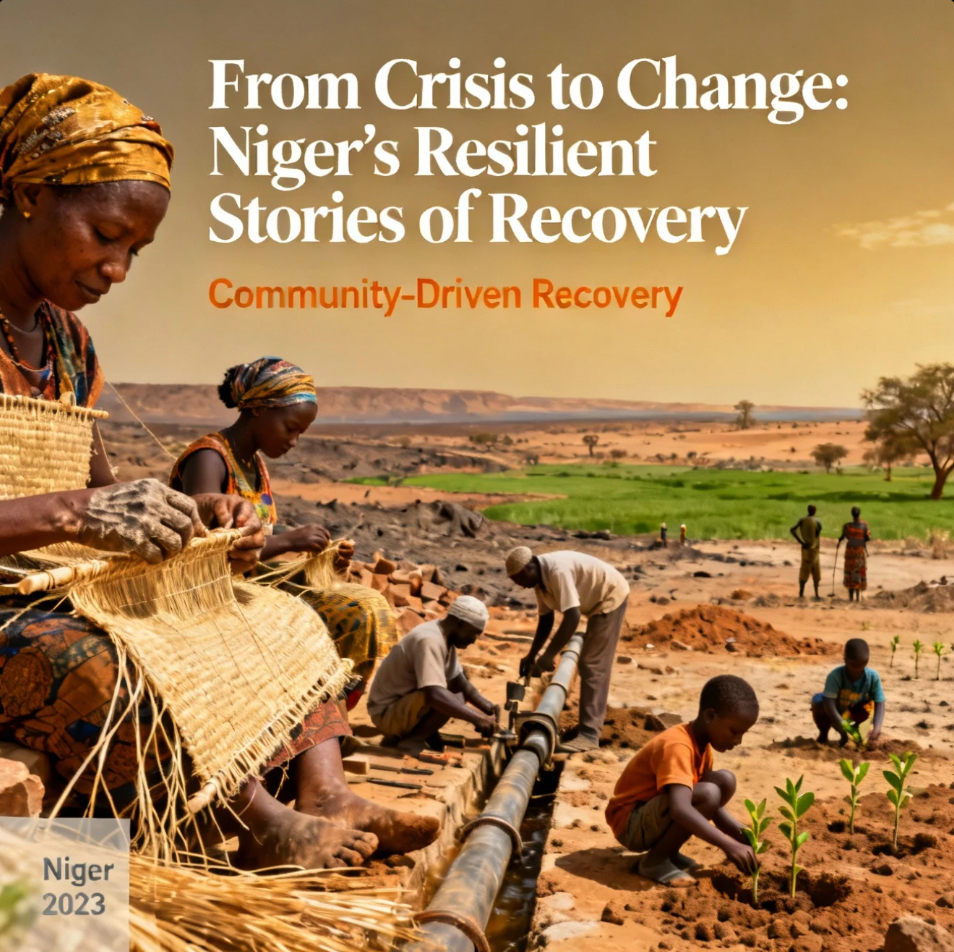
Many recovery efforts in Niger are driven from the ground up. Communities are organizing to:
- Restore degraded land using traditional farming techniques
- Share water resources more efficiently
- Support local markets and cooperatives
- Strengthen social networks during difficult periods
These initiatives prioritize sustainability over short-term relief.
Women and Youth as Agents of Recovery
👩🌾 Women Rebuilding Livelihoods
Women play a critical role in Niger’s recovery stories. Through small-scale agriculture, local trade, and community leadership, they help stabilize households and strengthen food security.
👩🎓 Youth Driving Innovation
Young people are contributing through education, entrepreneurship, and technology—finding new ways to adapt farming practices, manage resources, and connect communities.
Education and Skills as Pathways Forward
Access to education and practical skills has become a key pillar of recovery:
- Community learning programs improve resilience to climate shocks
- Vocational training creates income opportunities
- Knowledge-sharing strengthens long-term self-reliance
Education empowers communities to respond proactively rather than reactively to crisis.
The Role of Collaboration and Support
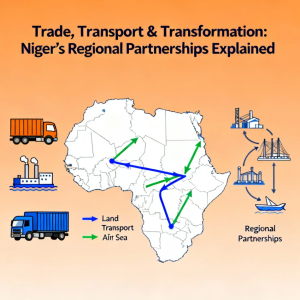
Recovery in Niger is strengthened by collaboration between:
- Local communities
- National initiatives
- Regional cooperation
- International partners
When support aligns with local priorities, recovery efforts become more effective and culturally grounded.
Why Niger’s Recovery Stories Matter
These stories challenge common narratives that focus only on hardship. Niger recovery stories show:
- Resilience is a powerful force
- Change can emerge even under pressure
- Community-driven solutions create lasting impact
They offer valuable lessons for other regions facing similar challenges.
Conclusion
From crisis to change, Niger’s journey is shaped by resilience, creativity, and collective strength. While challenges remain, the stories of recovery unfolding across the country demonstrate that sustainable change begins with empowered communities and shared responsibility.
Niger’s experience reminds us that recovery is not just about rebuilding what was lost—but about building something stronger in its place.