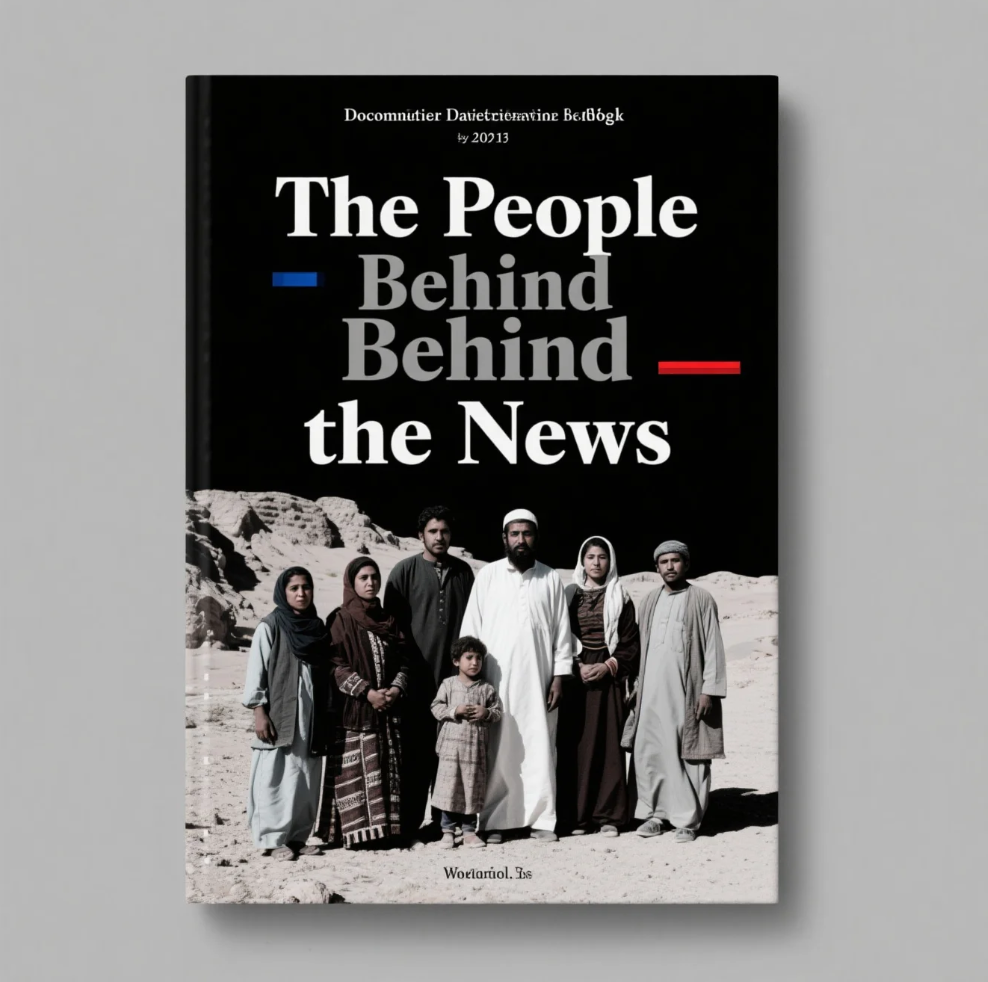
Niger often appears in global headlines for political change, economic challenges, or regional security issues. But behind every policy and statistic is a person—someone whose daily life, hopes, and struggles offer a deeper understanding of the nation. This article highlights the people behind the news and the human stories in Niger today that reveal resilience, creativity, and collective determination.
1. Farmers Fighting for a Future Amid Climate Change
Agriculture is Niger’s backbone, and countless families depend on rain-fed farming. Today’s farmers face unpredictable rainfall and advancing desertification, yet many respond with innovation:
- Adopting drought-resistant crops
- Practicing soil regeneration techniques
- Building community seed banks
- Participating in local climate cooperatives
These farmers are not just victims of climate shifts—they are frontline innovators shaping Niger’s food security future.
2. Young People Fueling a Digital and Cultural Shift
Niger has one of the youngest populations in the world. This new generation is redefining the country through:
- Tech startups and local apps
- Digital entrepreneurship
- Creative industries—music, cinema, illustration
- Social activism on youth empowerment and education
From Niamey’s buzzing tech hubs to TikTok creators in Zinder and Maradi, young Nigeriens are using digital tools to amplify their voices and build opportunities.
3. Women Leading Community Transformation
Women in Niger continue to drive change in both rural and urban communities. Many are:
- Leading women’s cooperatives
- Running microbusinesses
- Advocating for girls’ education
- Supporting maternal health programs
- Preserving traditional crafts and textile art
Their leadership plays a critical role in community resilience and economic stability.
4. Nomadic Communities Preserving Tradition
Tuareg, Fulani, and other nomadic groups remain central to Niger’s cultural fabric. Despite modern pressures, they:
- Maintain historic trade routes
- Preserve oral storytelling traditions
- Practice sustainable livestock management
- Act as cultural ambassadors through music and craftsmanship
Their way of life highlights the rich diversity that defines Niger beyond political narratives.
5. Local Entrepreneurs Building New Economies
Niger’s entrepreneurs embody resourcefulness and resolve. In 2025, many small businesses thrive in:
- Renewable energy solutions (solar kiosks, mini-grids)
- Sustainable fashion and local design
- Food processing and agri-innovation
- Mobile payment and fintech services
These local business owners are quietly transforming the economy from the ground up.
6. Teachers, Nurses & Community Leaders Holding the Social Fabric Together
Across Niger, essential workers often operate with limited resources but extraordinary dedication. Their stories include:
- Teachers running multi-grade classrooms
- Health workers providing critical care in remote villages
- Community organizers coordinating local safety networks
- Volunteers leading literacy and vaccination campaigns
They rarely make global headlines, but they shape daily life more than any political event.
7. Artists & Storytellers Preserving Identity and Inspiring Change
Music, poetry, and visual arts remain vibrant parts of Nigerien expression. Artists today often use their work to:
- Address social challenges
- Promote peacebuilding
- Celebrate cultural roots
- Inspire youth engagement
- Tell stories that rarely reach global audiences
From modern rap to traditional guitar melodies, Niger’s creative culture is thriving.
8. Everyday Citizens Navigating Hope & Hardship
Above all, Niger’s story is defined by everyday individuals:
- Market vendors
- Taxi drivers
- Students
- Craftsmen
- Mothers and fathers
- Elders guiding younger generations
Their resilience, humor, and sense of community illuminate the human side of Niger’s evolving landscape.
Conclusion
When international news about Niger focuses solely on geopolitics or crises, it overlooks the people whose stories truly define the nation. By paying attention to the human stories in Niger today, we gain a deeper, more authentic picture—one rooted in resilience, creativity, courage, and shared hope.1. Farmers Fighting for a Future Amid Climate Change
Agriculture is Niger’s backbone, and countless families depend on rain-fed farming. Today’s farmers face unpredictable rainfall and advancing desertification, yet many respond with innovation:
- Adopting drought-resistant crops
- Practicing soil regeneration techniques
- Building community seed banks
- Participating in local climate cooperatives
These farmers are not just victims of climate shifts—they are frontline innovators shaping Niger’s food security future.
2. Young People Fueling a Digital and Cultural Shift
Niger has one of the youngest populations in the world. This new generation is redefining the country through:
- Tech startups and local apps
- Digital entrepreneurship
- Creative industries—music, cinema, illustration
- Social activism on youth empowerment and education
From Niamey’s buzzing tech hubs to TikTok creators in Zinder and Maradi, young Nigeriens are using digital tools to amplify their voices and build opportunities.
3. Women Leading Community Transformation
Women in Niger continue to drive change in both rural and urban communities. Many are:
- Leading women’s cooperatives
- Running microbusinesses
- Advocating for girls’ education
- Supporting maternal health programs
- Preserving traditional crafts and textile art
Their leadership plays a critical role in community resilience and economic stability.
4. Nomadic Communities Preserving Tradition
Tuareg, Fulani, and other nomadic groups remain central to Niger’s cultural fabric. Despite modern pressures, they:
- Maintain historic trade routes
- Preserve oral storytelling traditions
- Practice sustainable livestock management
- Act as cultural ambassadors through music and craftsmanship
Their way of life highlights the rich diversity that defines Niger beyond political narratives.
5. Local Entrepreneurs Building New Economies
Niger’s entrepreneurs embody resourcefulness and resolve. In 2025, many small businesses thrive in:
- Renewable energy solutions (solar kiosks, mini-grids)
- Sustainable fashion and local design
- Food processing and agri-innovation
- Mobile payment and fintech services
These local business owners are quietly transforming the economy from the ground up.
6. Teachers, Nurses & Community Leaders Holding the Social Fabric Together
Across Niger, essential workers often operate with limited resources but extraordinary dedication. Their stories include:
- Teachers running multi-grade classrooms
- Health workers providing critical care in remote villages
- Community organizers coordinating local safety networks
- Volunteers leading literacy and vaccination campaigns
They rarely make global headlines, but they shape daily life more than any political event.
7. Artists & Storytellers Preserving Identity and Inspiring Change
Music, poetry, and visual arts remain vibrant parts of Nigerien expression. Artists today often use their work to:
- Address social challenges
- Promote peacebuilding
- Celebrate cultural roots
- Inspire youth engagement
- Tell stories that rarely reach global audiences
From modern rap to traditional guitar melodies, Niger’s creative culture is thriving.
8. Everyday Citizens Navigating Hope & Hardship
Above all, Niger’s story is defined by everyday individuals:
- Market vendors
- Taxi drivers
- Students
- Craftsmen
- Mothers and fathers
- Elders guiding younger generations
Their resilience, humor, and sense of community illuminate the human side of Niger’s evolving landscape.
Conclusion
When international news about Niger focuses solely on geopolitics or crises, it overlooks the people whose stories truly define the nation. By paying attention to the human stories in Niger today, we gain a deeper, more authentic picture—one rooted in resilience, creativity, courage, and shared hope.