Niger stands at a crucial moment in its history.
Long shaped by complex political shifts, environmental pressures, and economic challenges, the country is now turning its attention toward a future built on innovation, stronger education systems, and bold economic reforms.
These pillars are more than development goals—they are the foundation of a new national identity emerging in the 21st century.
🚀 1. Innovation: The Catalyst for Modern Growth
Innovation in Niger is gathering momentum, driven by:
- youth entrepreneurship
- digital transformation
- renewable energy investments
- agricultural modernization
Digital Innovation
With mobile penetration rising, digital tools are helping businesses and students access new opportunities. Mobile banking, telemedicine, and e-learning platforms are accelerating inclusion across rural and urban areas.
Green Innovation
Niger’s climate challenges have also fueled creativity:
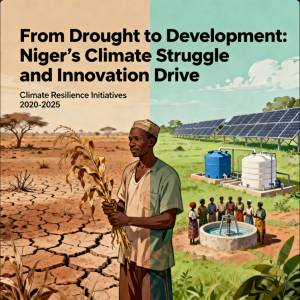
- drought-resistant farming
- solar-powered irrigation
- off-grid energy solutions
These innovations are not simply conveniences—they are lifelines for communities adapting to environmental realities.
🎓 2. Education: The Engine of Long-Term Progress
Education remains one of the country’s most important levers for change.
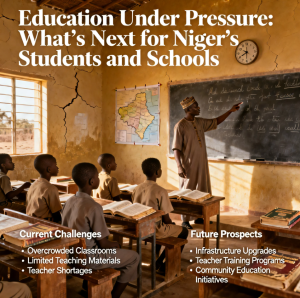
While challenges persist—limited infrastructure, rural access barriers, and resource shortages—the momentum toward improvement is clear.
Key Areas of Progress
- Expansion of primary and secondary schools to reach remote regions.
- Teacher training initiatives improving instruction quality.
- Growth in vocational and technical education, preparing youth for emerging job markets.
- Partnerships with international organizations to enhance literacy and digital skills.
Why Education Matters for Niger’s Future
A stronger education system will:
- fuel entrepreneurship
- reduce poverty
- improve labor productivity
- empower women and rural communities
The more the nation invests in its youth, the stronger its economic and civic future becomes.
💼 3. Economic Reform: Reshaping the National Landscape
Niger’s economic reform efforts aim to create a more stable, diversified, and resilient economy.
Diversification Beyond Natural Resources
Traditionally reliant on:
- uranium
- agriculture
- livestock
Niger is now prioritizing:
- renewable energy
- infrastructure development
- digital services
- small and medium-sized enterprises (SMEs)
Investment Climate Improvements
Efforts include:
- streamlining business registration
- modernizing tax systems
- encouraging foreign direct investment
- strengthening regional trade partnerships
Combined, these reforms aim to open the market, support private sector growth, and reduce long-term dependence on external aid.
🌍 4. Challenges That Still Shape the Road Ahead
While progress is visible, Niger continues to face:
- climate vulnerability
- population growth pressures
- regional security instability
- infrastructure limitations
These challenges slow momentum, but they do not erase it.
Understanding them is essential for designing durable solutions.
🔮 Conclusion: A Nation Watching Its Own Transformation
Niger’s path forward is not defined by a single initiative but by a synergy of innovation, education, and economic reform.
Each of these areas reinforces the others:
- Innovation creates jobs.
- Education fuels innovation.
- Economic reform provides the structure for both to thrive.
Niger’s future is a story still being written—
and its emerging generation of thinkers, builders, and leaders are shaping a nation that aims not just to adapt, but to advance.